
What a rotary kiln seal actually does
Honestly, when I first heard how does a rotary kiln seal work, I imagined something super simple, like a rubber band keeping a jar closed. Turns out, it’s way more complicated than that. A rotary kiln seal keeps unwanted air out and hot air in, all while the kiln is spinning, expanding, and rattling like a giant metal tornado. If you want to see a detailed breakdown, you can check out how does a rotary kiln seal work.
The problem of false air
At its core, the seal is there to stop false air from sneaking into the kiln. False air may sound harmless, but it messes up temperature and efficiency. The kiln ends up burning more fuel to maintain the right heat. It’s kinda like trying to warm up a room with a slightly open window — you crank the heater, pay more, and still never feel comfortable. The rotary kiln seal keeps that from happening while the kiln keeps spinning, which is trickier than it sounds.
Heat and movement make it tricky
Kilns don’t just sit still. They rotate, expand when hot, and wobble a bit under their own weight. Dust and debris are always around. So the seal has to be tight enough to stop leaks but flexible enough to adjust to all that movement without cracking or wearing out too fast. It’s like wearing gloves that fit snug but still let your fingers move — too tight and they tear, too loose and they don’t keep you warm.
How the seal actually works
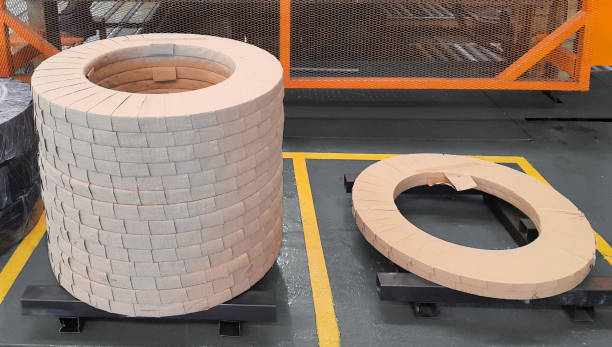
Inside, the seal uses materials and designs that can flex with the kiln while still filling gaps. Some seals scrape gently against the rotating shell, while others have layers or adjustable parts that move as the kiln expands. It’s not fancy or flashy, but it’s practical. A good seal keeps the temperature stable and reduces stress on the kiln system, which operators notice over time.
Why it matters in daily operations
When the seal works right, the kiln feels more stable. Temperature swings decrease, fuel consumption becomes more predictable, and operators stop constantly fiddling with the system. It’s not a dramatic change, but it makes running a kiln a lot less stressful and more efficient.
Final thought
A rotary kiln seal works by keeping the right air in and the wrong air out, all while handling heat, rotation, and dust. It’s quiet work, but it makes a massive difference in how the kiln performs. If you want a deeper look at designs and diagrams, check how does a rotary kiln seal work — it really helps see why these small parts are so important.


Write a comment ...