
When you first hear “industrial seal manufacturer,” it honestly sounds like one of those very technical factory terms that only engineers care about. Like something sitting deep inside a plant doing invisible work. But once you actually see how machines behave without proper sealing, you realise it’s not a small detail at all.
An industrial seal manufacturer is basically responsible for designing and supplying sealing systems that stop leakage, control pressure, and keep heavy equipment running smoothly. And yeah, it sounds simple when you say it like that, but in real life it’s messy, hot, dusty, and kind of unforgiving.
What Industrial Seals Are Actually Doing All Day
Industrial seals are not decorative parts or “support items” like people sometimes assume. They sit inside machines like kilns, mixers, and rotating equipment and try to keep everything contained — gases, dust, heat, pressure, all of it.
And the funny thing is, nobody notices them when they are working fine. But the moment they start failing, suddenly everything becomes a problem. Temperature drops, fuel usage goes up, and operators start checking every corner like “where did it go wrong?”
It’s kind of like a bucket with a tiny crack. You don’t notice at first, but slowly the loss becomes obvious.
Why Leakage and False Air Become a Big Deal
One of the main issues industrial seals solve is leakage, especially false air in systems like rotary kilns. Sounds harmless, but it’s not.
When unwanted air enters, combustion gets disturbed, heat balance changes, and efficiency drops. And the worst part is, it doesn’t happen suddenly. It builds slowly over time, which makes it harder to detect early.
So operators usually notice it only when fuel consumption increases or system stability feels “off.” By then, the seal is often already under stress or worn out.
Engineering Behind Seal Design Is Not As Simple As It Looks
People usually think seals are just rubber or metal rings, but industrial sealing design is way more complex. Engineers have to consider rotation, temperature expansion, dust exposure, vibration, and continuous pressure changes.
A single seal has to survive conditions that honestly feel unfair — constant heat cycles, mechanical movement, and abrasive environments. It’s not just about fitting something in place, it’s about making it survive under pressure for long periods.
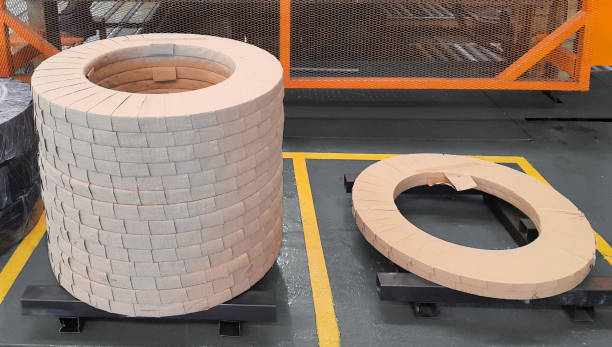
Materials also matter a lot. Some seals use flexible layers, some use rigid support structures, and some combine multiple materials to balance durability and movement.
Why Small Improvements Make Big Differences
What’s interesting is how small improvements in sealing can change overall efficiency in a plant. Even a slightly better seal reduces air leakage, improves combustion stability, and lowers fuel consumption.
It’s not like a dramatic “instant upgrade,” but more like slow savings that add up over months. That’s why industries pay so much attention to sealing systems even though they look like minor components.
And this is also where the role of an industrial seal manufacturer becomes important — because design accuracy, material selection, and real-world testing all decide how well the system performs over time.
Final Thoughts
Industrial seals are one of those things that quietly control a lot of heavy industrial performance without getting much attention. If they work properly, everything feels stable and efficient. If they don’t, problems slowly start building up everywhere.
So even though it sounds like a small component, the reality is that sealing systems sit at the core of efficiency in many industries. And good manufacturing behind them often decides whether a system runs smoothly or keeps struggling in the background.

Write a comment ...